How to Connect LinkedIn Leads with Agile CRM
Connecting Agile CRM with LinkedIn lead generation can help you automatically move new leads into your CRM instead of manually copying contact information. With LeadsNotify, you can create an Agile CRM LinkedIn integration that sends leads from LinkedIn Lead Gen Forms directly…

Table of contents
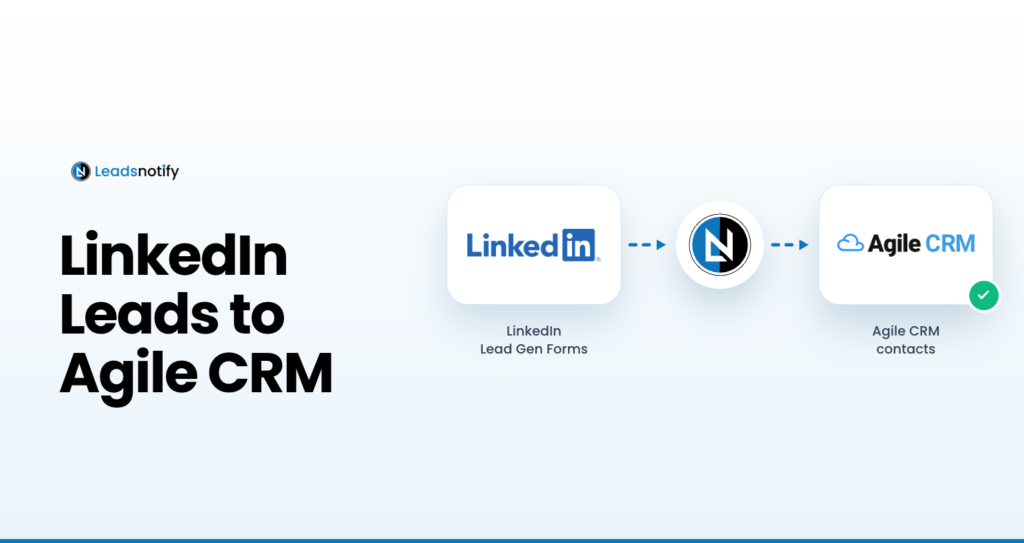
Connecting Agile CRM with LinkedIn lead generation can help you automatically move new leads into your CRM instead of manually copying contact information. With LeadsNotify, you can create an Agile CRM LinkedIn integration that sends leads from LinkedIn Lead Gen Forms directly to Agile CRM.
In this guide, we’ll show you how to connect LinkedIn leads with Agile CRM, configure the Agile CRM connector in LeadsNotify, add your Agile CRM API key, and test the integration to make sure your leads are being delivered correctly.
This workflow can be useful for businesses running LinkedIn marketing campaigns that want to reduce manual data entry and get new leads into their CRM faster.
What is Agile CRM?
Agile CRM is a customer relationship management platform designed to help businesses manage sales, marketing, and customer service activities from one system. It includes features such as contact management, lead scoring, email tracking, sales management, marketing automation, and reporting.
When someone submits a LinkedIn Lead Gen Form, getting that lead into your CRM quickly can make the follow-up process easier. Connecting LinkedIn with Agile CRM through LeadsNotify allows you to automate that transfer instead of moving the information manually.
How to connect LinkedIn leads with Agile CRM
To create the integration, you’ll connect your LinkedIn lead source to LeadsNotify and then configure Agile CRM as the destination. The setup requires your Agile CRM API credentials and the LinkedIn page and lead form you want to connect.
Step 1: Sign up and log in to LeadsNotify
First, sign up or log in to LeadsNotify.
After signing in, you can create a notifier that connects your LinkedIn lead source with Agile CRM.
Step 2: Connect your LinkedIn account
Next, connect your LinkedIn account to LeadsNotify.
If you need help with the lead-source connection process, you can also review our guide to setting up lead notifications.
Once LinkedIn is connected, LeadsNotify can access the available LinkedIn pages and lead forms that you want to use for your Agile CRM workflow.
Step 3: Create an Agile CRM notifier
After connecting LinkedIn, open the Create Notifier option in LeadsNotify.
Search for Agile and click Try Now to begin configuring the Agile CRM integration.
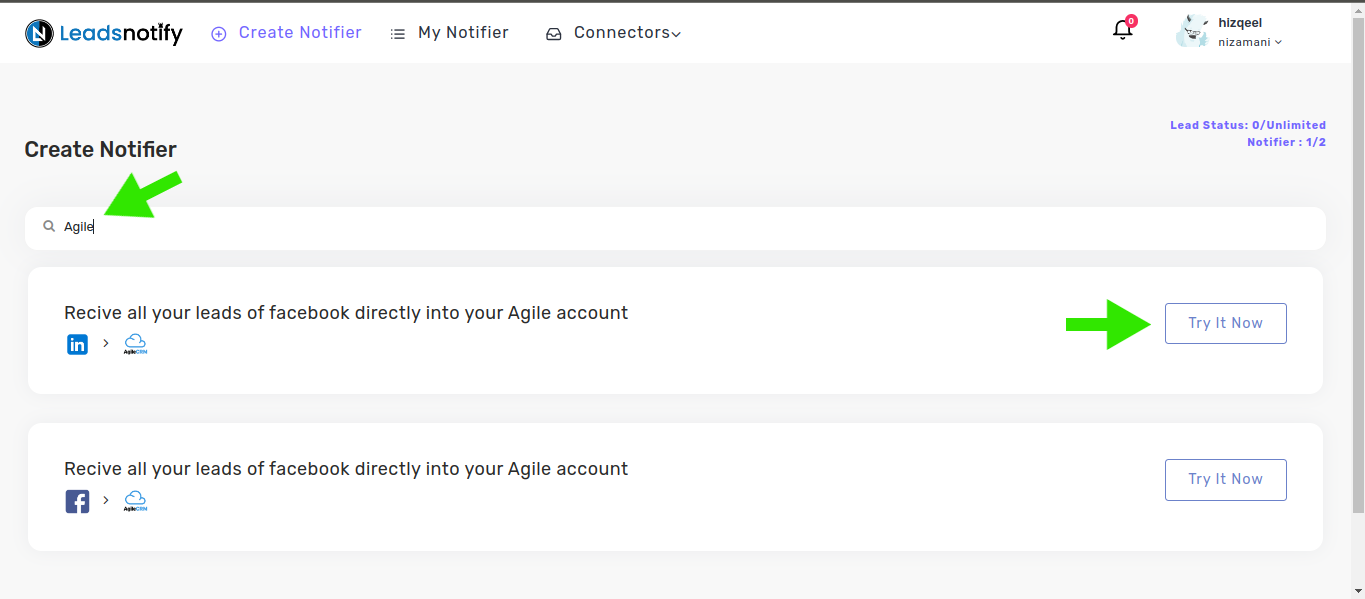
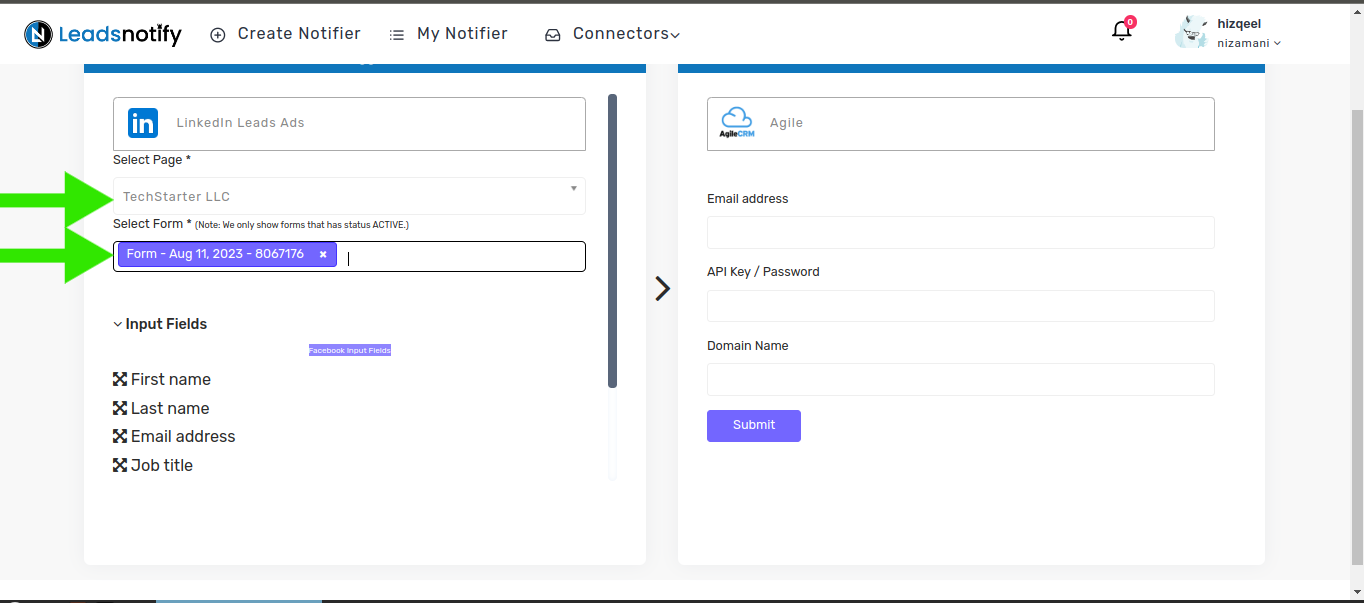
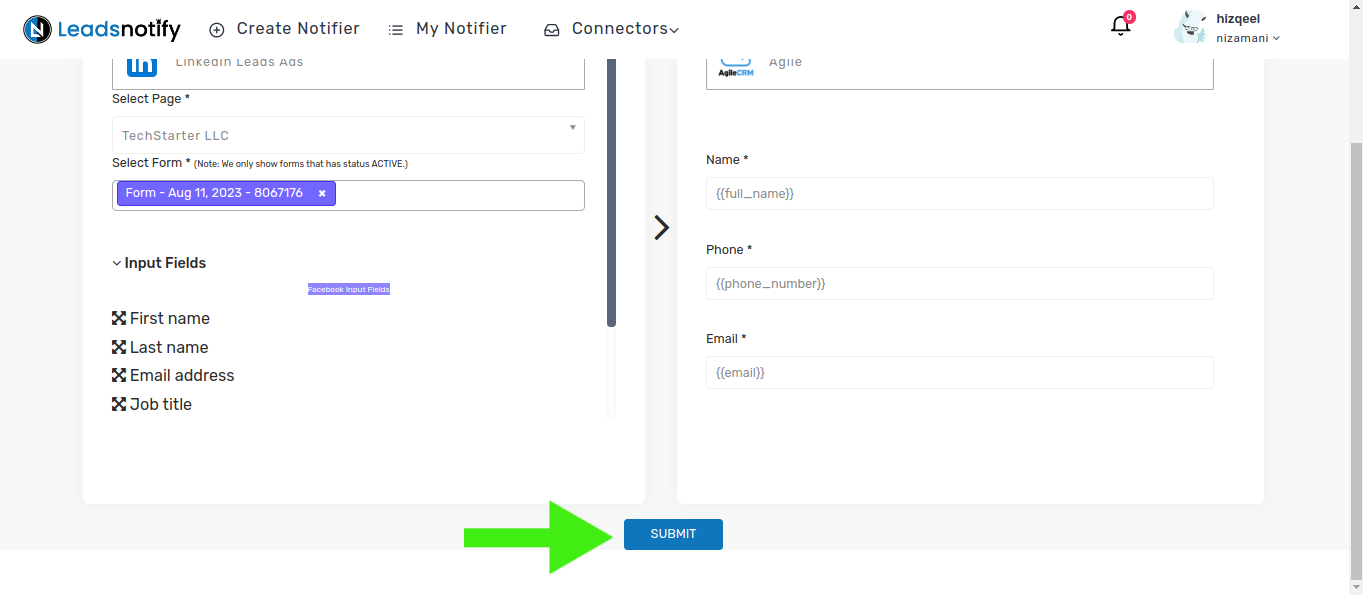
After clicking Try Now, you’ll see the notifier configuration options. The first section allows you to select the LinkedIn page and lead forms you want to connect.
Select the appropriate instant form. LeadsNotify will then display the fields available from that LinkedIn form so you can configure the information that will be sent to Agile CRM.
Step 4: Get your Agile CRM API key
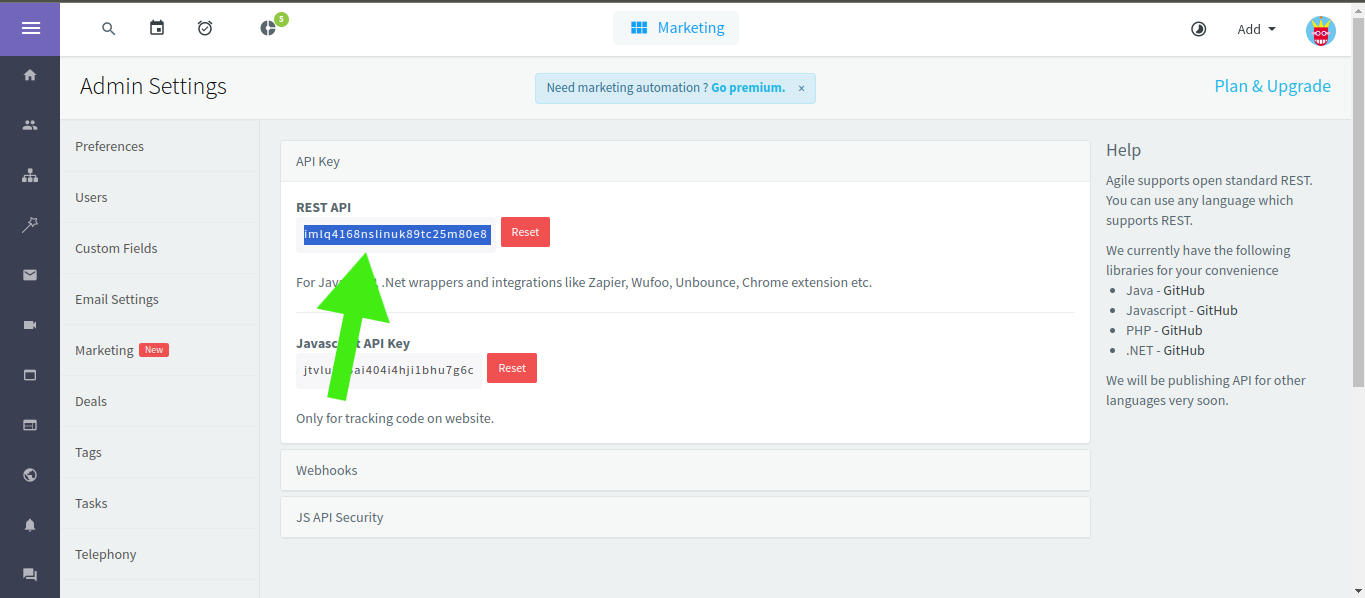
To connect Agile CRM with LeadsNotify, you’ll need your Agile CRM API key, along with the account details requested by the connector.
Log in to your Agile CRM account and open your account settings.
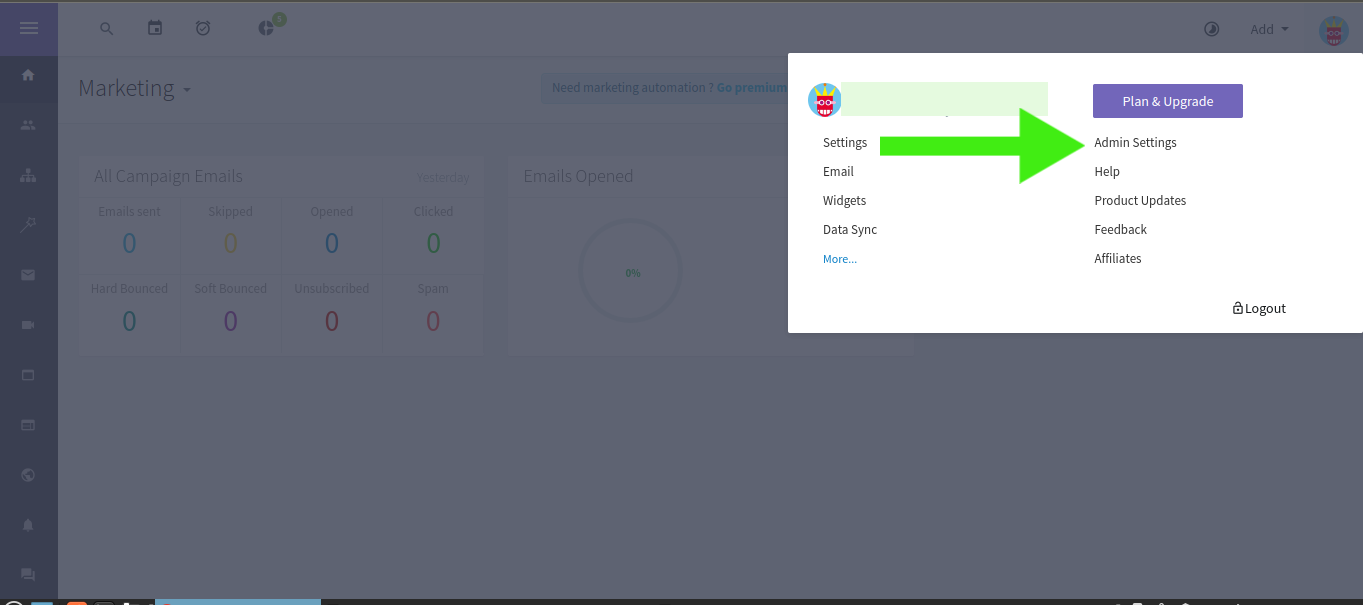
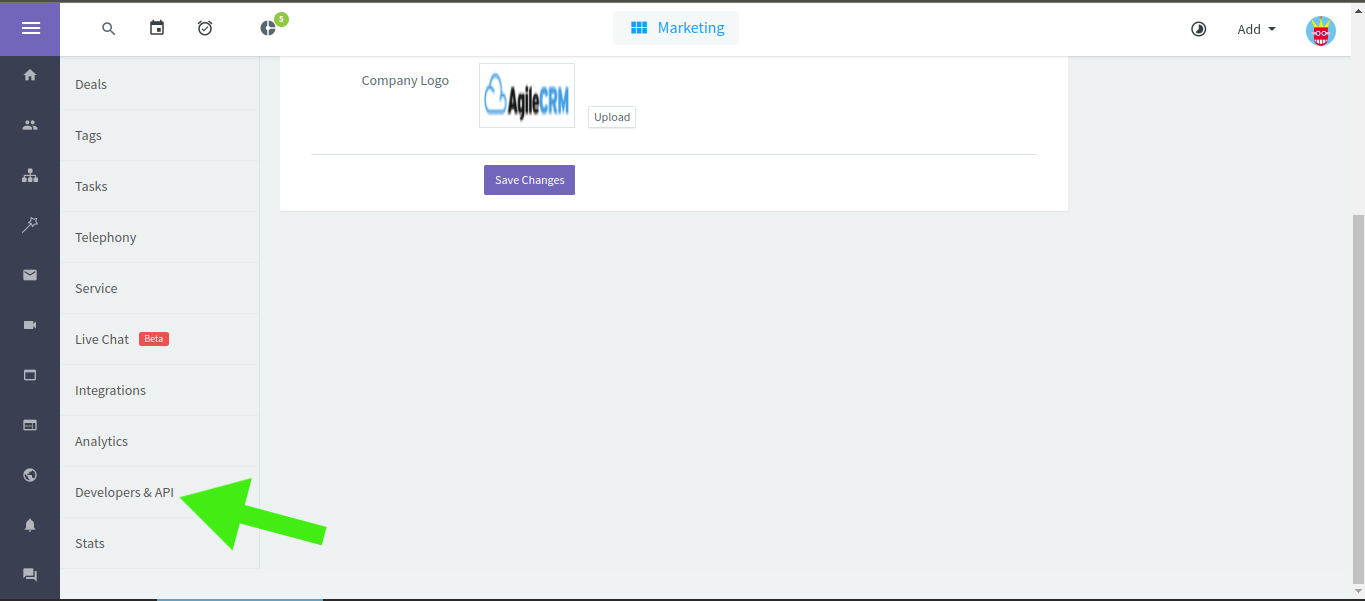
Scroll down in the settings area and select Developers & API.
Locate the REST API key and copy it. You’ll use this key when configuring the Agile CRM connector in LeadsNotify.
Step 5: Add your Agile CRM credentials to LeadsNotify
Return to the LeadsNotify notifier and enter the Agile CRM credentials requested by the integration. Paste the copied REST API key into the API key or password field.
Enter the email address you use for your Agile CRM account and provide the domain associated with your Agile CRM account. Review the information carefully, then submit the form.
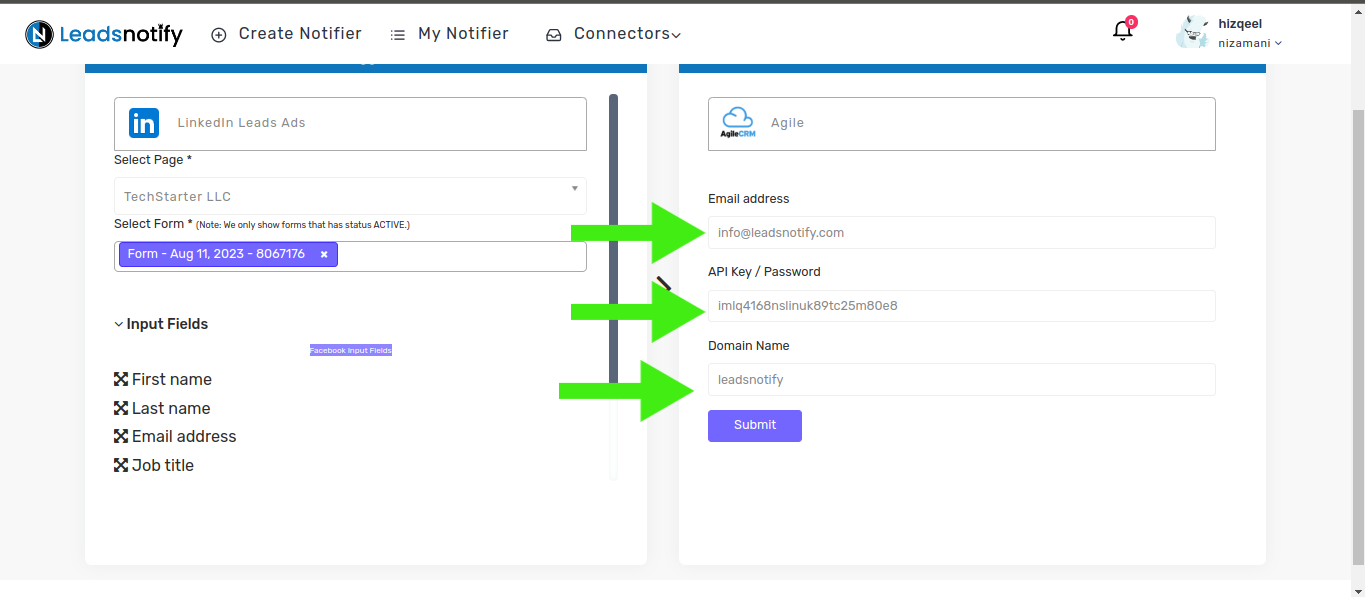
After the credentials are submitted successfully, scroll down and complete the remaining configuration by submitting the form again as shown in the example below.
How the LinkedIn to Agile CRM automation works
Once the notifier is configured, the workflow is straightforward:
- A prospect submits a LinkedIn Lead Gen Form.
- LeadsNotify receives the new lead.
- LeadsNotify processes the lead through the configured notifier.
- The lead information is sent to Agile CRM.
- Your team can manage the new contact and continue the sales follow-up process in Agile CRM.
This Agile CRM LinkedIn integration reduces the need to manually copy new leads from LinkedIn and can make your lead-management workflow more efficient.
How to test the Agile CRM LinkedIn integration
After setting up the integration, it’s important to test the workflow before relying on it for live campaigns.
A test lead can help confirm that your LinkedIn lead form, LeadsNotify notifier, Agile CRM credentials, and destination are configured correctly.
Step 1: Open LinkedIn Campaign Manager
- Log in and open LinkedIn Campaign Manager.
- Navigate to the Advertise section.
- Select the relevant Campaign Group.
- Select the appropriate Campaign.
- Click the relevant Ad Name.
This will open the ad and its associated lead form. In the original example, the campaign uses a subscriber form to collect lead information.
For testing purposes, the form contains a Subscribe button that allows you to submit a test lead.
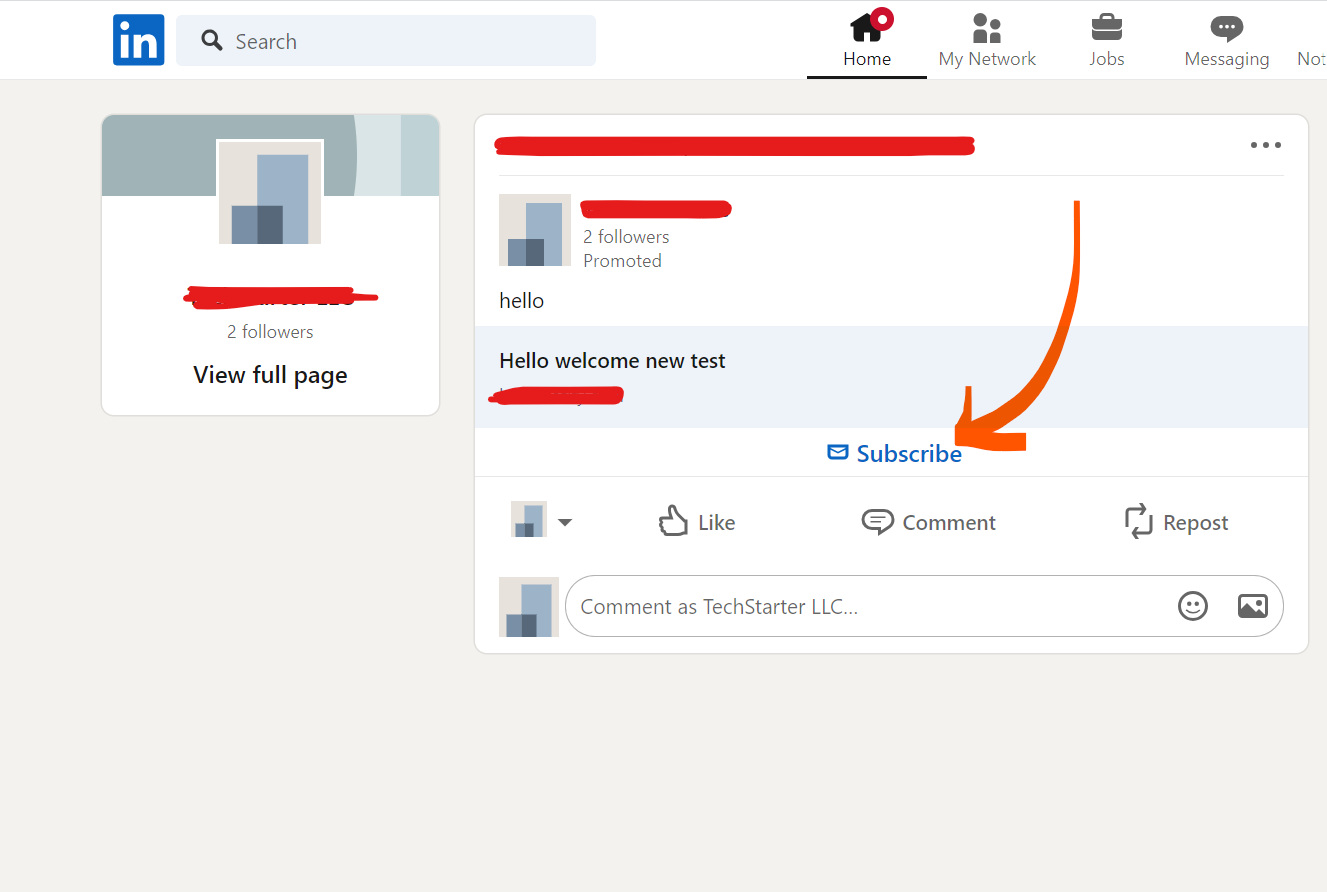
Click the button to open the form. You will then see the fields required to submit the lead, such as the name and email address shown in the example below.
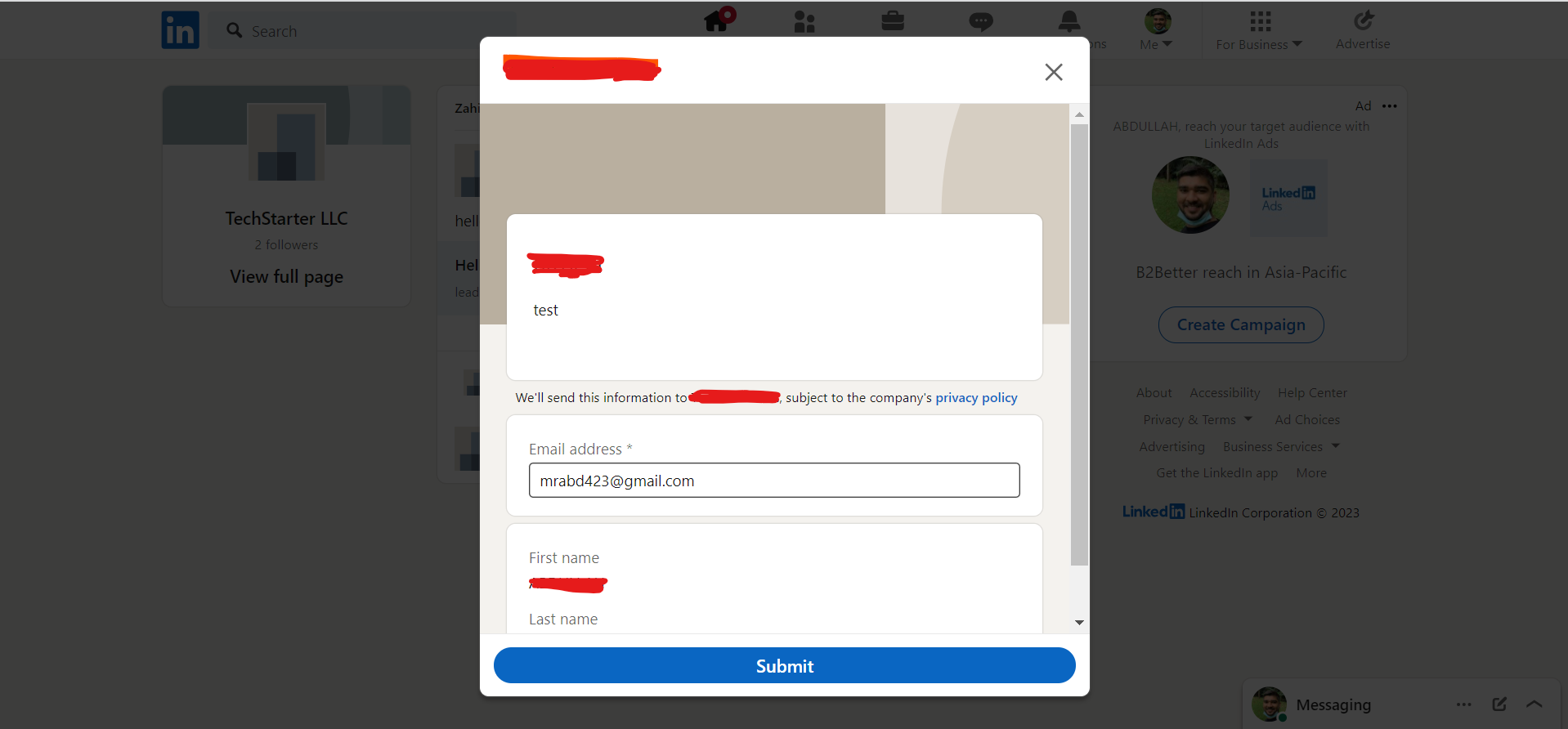
Step 2: Submit the test lead
Submit the LinkedIn form using your test information. LeadsNotify should receive the lead and process it through the Agile CRM notifier you created.
Step 3: Check Agile CRM
After submitting the test form, open your Agile CRM account and check whether the new lead or contact has been received.
If the lead appears in Agile CRM, your LinkedIn-to-Agile CRM automation is working as expected.
If the lead does not appear, check your LinkedIn connection, notifier configuration, Agile CRM API key, email address, domain, and delivery status in LeadsNotify.
If you need additional assistance, contact support@leadsnotify.com.
Benefits of connecting LinkedIn leads to Agile CRM
Connecting LinkedIn lead generation with Agile CRM can simplify how your team handles new contacts and sales opportunities.
- Reduce manual data entry: New LinkedIn leads can be transferred automatically instead of being copied manually.
- Speed up lead processing: Leads can reach your CRM sooner after someone submits a LinkedIn form.
- Keep lead information organized: Your team can manage incoming contacts inside Agile CRM.
- Support lead management: Once leads arrive in Agile CRM, your team can continue its existing sales and follow-up process.
- Improve workflow consistency: Automation reduces the need to remember to manually export or copy every new lead.
Best practices for an Agile CRM LinkedIn integration
- Test the integration first: Submit a test lead before relying on the workflow for a live campaign.
- Check your LinkedIn form: Make sure the correct LinkedIn page and lead form are selected in LeadsNotify.
- Protect your API key: Treat your Agile CRM API key as a credential and avoid sharing it publicly.
- Verify your account details: Make sure the Agile CRM email and domain entered in LeadsNotify match your account.
- Monitor delivery: If a lead does not appear in Agile CRM, check the delivery information in LeadsNotify.
- Review the workflow regularly: Connected services, permissions, credentials, and APIs can change, so periodically verify that your integration continues to work correctly.
Frequently asked questions
Can I connect LinkedIn leads to Agile CRM?
Yes. LeadsNotify can be used to create an automation that receives leads from supported LinkedIn Lead Gen Forms and sends them to Agile CRM.
How does the Agile CRM LinkedIn integration work?
The integration connects your LinkedIn lead source to LeadsNotify and uses Agile CRM as the destination. When a prospect submits a connected LinkedIn lead form, LeadsNotify processes the lead and sends the information to Agile CRM.
What CRM integrates with LinkedIn?
Several CRM platforms can be connected with LinkedIn lead-generation workflows. Agile CRM is one option, and LeadsNotify can be used to automate the transfer of supported LinkedIn leads into Agile CRM.
What is the Agile CRM API used for?
The Agile CRM API allows applications and integrations to communicate with Agile CRM. In this workflow, the API credentials are used by LeadsNotify to connect to the Agile CRM account and deliver lead information.
Can I test the LinkedIn to Agile CRM integration?
Yes. You can submit a test lead through your LinkedIn Lead Gen Form and then check Agile CRM to confirm that the lead was transferred successfully.
What should I do if a LinkedIn lead does not appear in Agile CRM?
First, check that the correct LinkedIn page and lead form are connected. Then verify your Agile CRM API key, email address, domain, notifier configuration, and delivery status in LeadsNotify.
Automate LinkedIn leads with Agile CRM
Manually moving LinkedIn leads into a CRM can take time and create unnecessary data-entry work. Connecting LinkedIn with Agile CRM through LeadsNotify provides a simpler way to transfer new leads into your existing CRM workflow.
The setup involves connecting your LinkedIn lead source, selecting Agile CRM as the destination, adding your Agile CRM API credentials, configuring the notifier, and testing the workflow.
If your business uses LinkedIn lead generation and Agile CRM for sales management, automating the connection can help your team spend less time moving contact information and more time following up with potential customers.
Ready to connect LinkedIn leads with Agile CRM? Sign up for LeadsNotify and create an Agile CRM notifier to get started.
Set up a free notification in a few minutes.

Hizqeel Nizamani
Hizqeel Nizamani is a software engineer and backend developer working on CRM integrations, automation, APIs, and lead management systems. At LeadsNotify, he helps build and improve technology that enables businesses to capture, manage, and respond to leads more effectively.
Connect on LinkedIn ↗